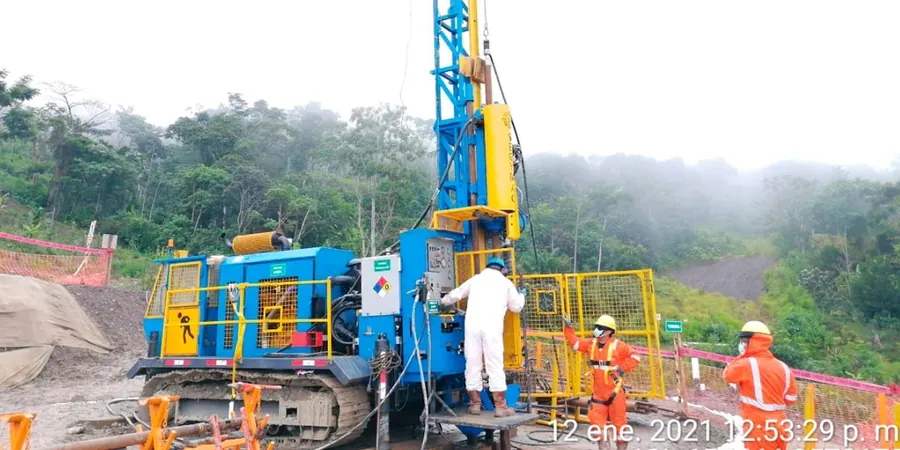
Celbridge sits squarely on the limestone lowlands of County Kildare, where the River Liffey carves through a landscape left behind by retreating glaciers. That glacial history matters a lot when you are planning foundations: the drift geology here alternates between stiff, gravelly boulder clay and softer pockets of alluvial silt and sand, especially as you move closer to the floodplain. In our experience, the difference in N‑values within the same site can be striking — one borehole hits competent till at 2 metres, the next finds loose material down to 5 or 6. A proper SPT (Standard Penetration Test) run to ASTM D1586‑18 gives you that layering in black and white, with blow counts that translate directly into bearing capacity estimates. For projects near the historic Castletown demesne or along the Dublin Road, combining SPT data with a trial pit investigation often saves time, because you can visually confirm the transition from made ground into natural drift in the same campaign.
In Celbridge's glacial till, SPT refusal at shallow depth is a sign of strength, not a failed test — reading it correctly keeps foundations safe and saves unnecessary over-design.